


By: Scott McPheeters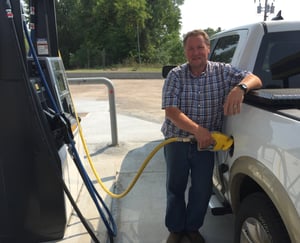
My path into the ethanol industry began with curiosity, and a desire to improve economic opportunities for farmers in my area. In the late 90s I was part of a cooperative known as the Kearney Area Ag Producers Alliance (KAAPA), a group that was created to explore ways to enhance farming profitability. The group originally experimented with a few ideas, including “new to our area” specialty crops like field peas and uncommon soybean varieties. Our struggle was always that after we developed a new market, someone would come in and undercut us, and we would be left there talking to ourselves once again.
In November of 2000, I was part of an exploratory committee that visited a farmer-owned ethanol plant in Benson, Minnesota. After the trip, we knew that farmers in our area could benefit from having a local ethanol plant.
As a fifth-generation farmer I knew first-hand about the economic challenges that rural communities faced at the time. After enduring years of low corn prices and the cyclical nature of commodities, I knew that ethanol offered something different, a way to use what farmers already grew best, and create a viable local market that now extends around the globe.
Launching the plant was not easy, early investors were hesitant and raising capital during an economically austere period—corn had been below two dollars for several years—required persistence and much effort. The payoff was substantial, today more than 500 farmers are investors and that plant has become a cornerstone of the area economy. The plant has also impacted me professionally and personally; I serve on multiple ethanol-related boards and from those experiences, I have built lifelong friendships within the industry and have gained exposure to new ideas beyond traditional farming. Ethanol has helped create economic opportunities that allow families, like my own, to stay rooted in their rural communities.
My sons and their families have returned to our family farm because ethanol has brought enough stability and growth to our community that allows our farm to be economically successful. You can’t afford to live somewhere if there’s no opportunity and ethanol has helped make rural life both viable and attractive for younger generations.
Beyond the local level, ethanol is a national and global benefit; from improving air quality and public health to strengthening energy independence, there is truly no downside to the ethanol industry. Ethanol is enriching not only in economic terms, but also in the way it connects people, fosters innovation, and strengthens communities.
After 26 years in the industry, my journey stands as an encouraging testament to what can happen when farmers invest in themselves, their communities, and in a future powered by homegrown energy.