




By Chern-Hooi Lim, PhD., CEO & Founder, Kemvera 
Americans have always found ways to turn surplus into strategic advantage — from military surplus stores that repurposed excess inventory to the early pioneers of recycling and renewable fuels. Henry Ford once called ethyl alcohol the “fuel of the future,” and that same spirit of innovation helped establish America’s bioethanol industry and support generations of corn farmers.
Today, a new opportunity is emerging: in addition to fuel, surplus Midwest ethanol can become the foundation for a more resilient domestic chemical supply chain.
We need more of this innovation, and a budding market is pushing its way through the topsoil. Building on existing biofuels markets, a path has been cleared for surplus Midwest corn ethanol to become the foundation of a more resilient, lower-carbon U.S. acetic acid supply chain.
With 20 million tons produced annually, acetic acid is a global top 10 highest-volume chemical and is a foundational building block for paints, adhesives, textiles, pharmaceuticals, and food ingredients to packaging materials and industrial coatings. Despite its ubiquity in modern manufacturing, much of today’s supply remains tied to fossil-based production pathways and concentrated petrochemical infrastructure.
While the current fossil-based supply chain centered along the Gulf Coast is well established, it has also become increasingly vulnerable to energy disruptions, hurricanes and other extreme weather events, and geopolitical instability affecting global markets.
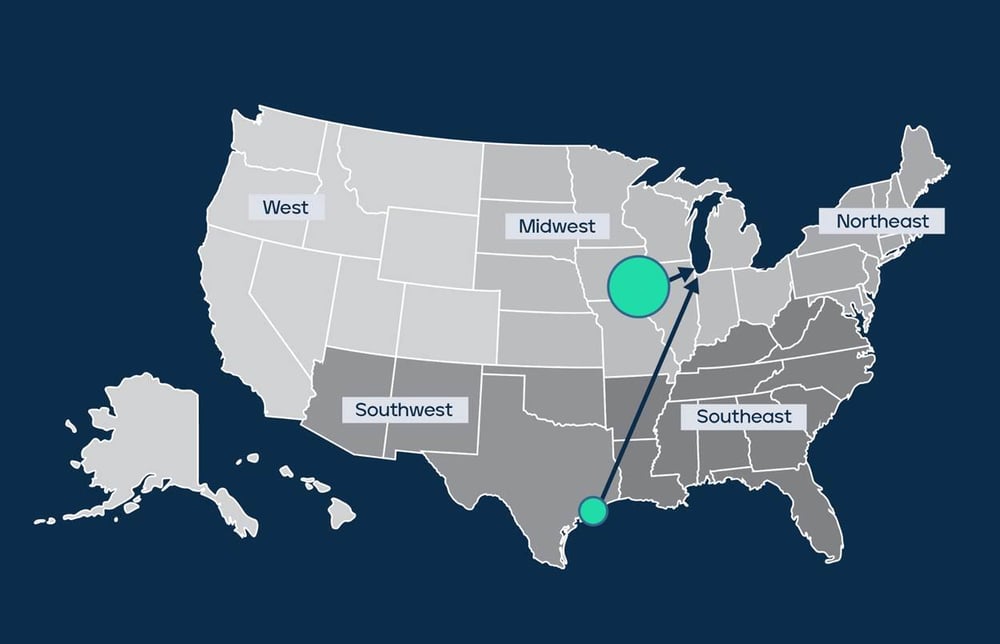
Shifting fossil-fuel based chemical production from the Gulf Coast to the Corn Belt’s bio-based production can reduce logistical risk while shortening trips by over 600 miles.
Converting ethanol into high-volume industrial chemicals, like acetic acid, strengthens supply chain resiliency while also creating new economic opportunities across the Midwest. By producing chemicals closer to agricultural feedstocks, and closer to customer centers in the Midwest and Northeast, the United States can reduce dependence on vulnerable Gulf Coast petrochemical infrastructure, lower transportation costs and emissions, and establish the Midwest as a major hub for bio-based chemical manufacturing.
At a time when the United States is working to bolster domestic manufacturing and reduce dependence on foreign imports, bio-based chemical production offers a practical path forward. Existing ethanol infrastructure, a skilled workforce, and agricultural supply chains already provide the foundation needed to scale this transition.
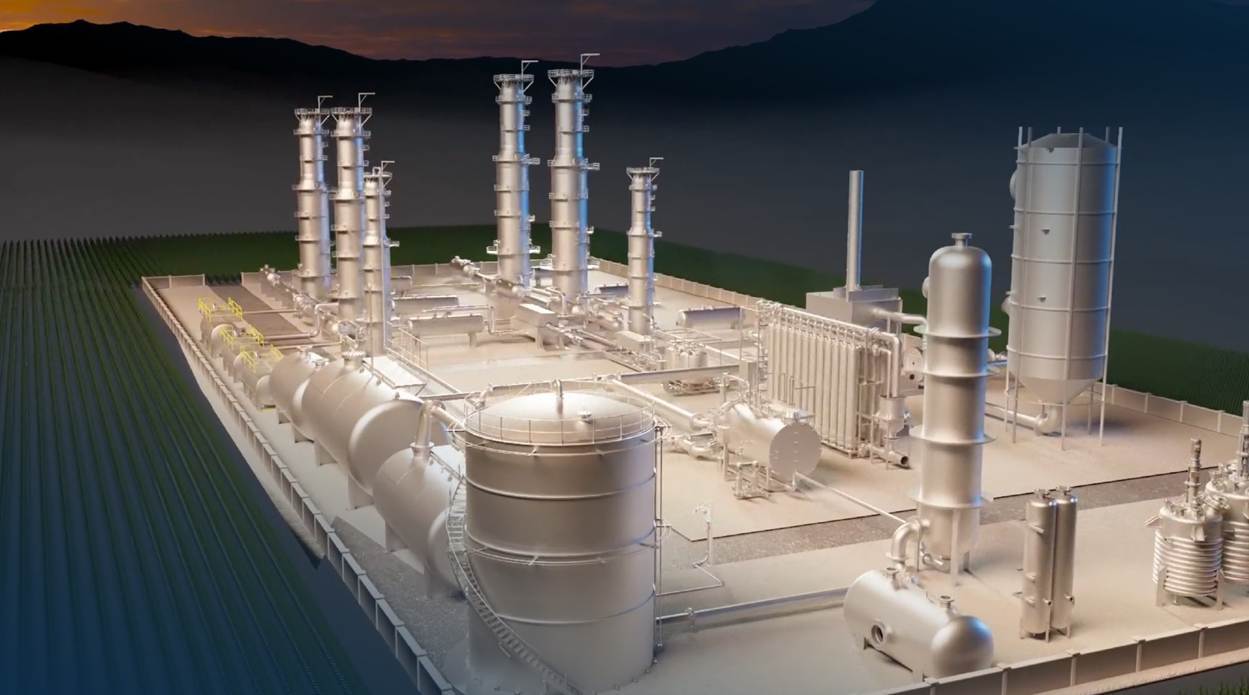
Kemvera’s biorefinery platform is designed to anchor a Midwest bio-acetic acid hub, creating a new market for domestic ethanol while strengthening regional manufacturing supply chains.
Our technology provides a unique opportunity for bioethanol producers to diversify beyond fuel markets and move into higher-value chemical manufacturing. In doing so, they can help create a more stable domestic supply of essential industrial materials while opening new markets for American agricultural products. Kemvera can provide the missing link between supply and demand with our integrated biorefinery platform.
Innovation like this means that the next chapter of the bioeconomy doesn’t need to be built on fuel usage alone. While fuels remain a strong market for bioethanol, excess production can be transformed into a key ingredient of renewable materials essential for our modern lifestyle—with a little ingenuity and creative thinking, the Midwest is well-positioned to lead that transformation.